Intro + My First Travel Experience in Swat
I am Malik Salman Nazir , and the purpose of writing this article is not just to share information, but to tell the story of my personal journey which I did in the beautiful valleys of Swat Valley. When I started Travel With Malik, my dream was to travel to the beautiful areas of the world and share real experiences with my readers – such content which is not just like a tourist guide, but is written from the heart.
Swat Valley is often called the “Switzerland of the East” or “Switzerland of Pakistan”, and honestly when I first set foot in this place, I realized why this comparison was made. Snow-capped peaks, lush green valleys, crystal clear rivers, and chilled climate – everything was like I had entered a fairytale world.
When planning your trip, do check the best time to visit Pakistan, as the weather in different regions greatly affects the travel experience. The northern areas are perfect for skiing in winter, while spring and autumn are best for cultural festivals and sightseeing.
My First Journey Towards Swat
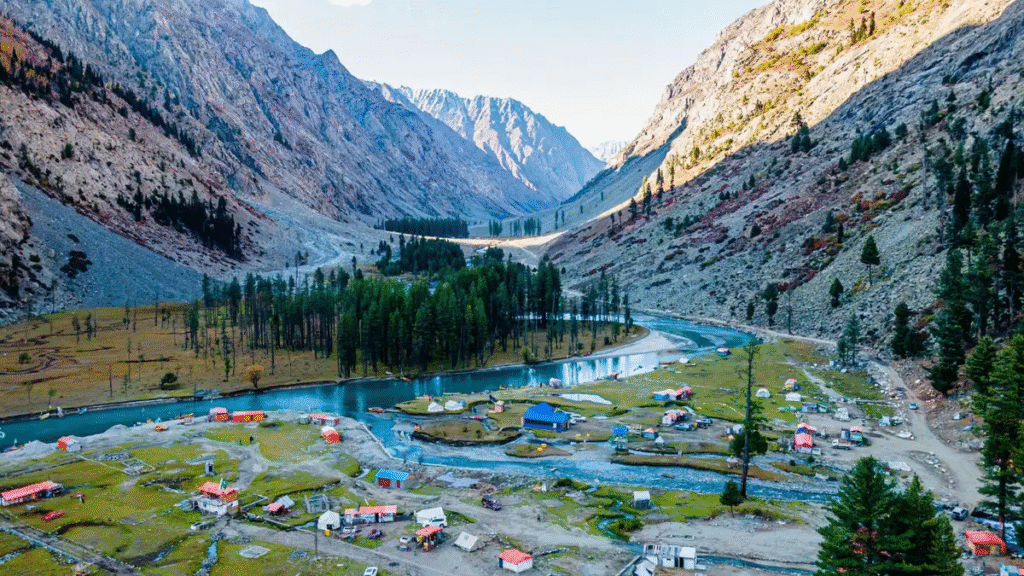
My journey started from Lahore. I left in the morning by bus and traveled on the motorway. When I came from the motorway to the local roads towards Swat, a new experience began. At first the mountains became clearly visible from the roads, and then gradually the climate also changed. After coming out of the heat, a cool and refreshing breeze welcomed me.
As soon as I reached Mingora (the wettest city of Swat), I got the first glimpse of the Swat River. This river was so clear and powerful that I instantly felt as if I had come to a natural paradise. This is the same Swat River which gives life to the entire valley. Its sound, its flow, and the greenery visible on its banks – everything was mesmerising.
First Impressions of Swat Valley
To be honest, the first glimpse of Swat Valley wins the heart. Mountains and glaciers are visible all around, which are part of the Hindukush range. These are the same mountains from which rivers and waterfalls flow and keep the valleys below alive.
The biggest specialty of Swat is that here at one place you get snow-capped peaks, lush valleys, natural springs, and flowing rivers. For me this combination was very unique.
And the most important thing I felt was that Swat Valley is not just a place, but a journey – an experience that brings new surprises at every turn and stop.
Hospitality and Local Culture
The hospitality of the people of Swat is world famous, and I personally had a very good experience of it. When I reached my first hotel in Mingora, the hotel staff treated me as if I was their own guest. I was welcomed with a cup of kehwa (green tea) and told about their local traditions and culture.
The influence of the Pashtun Yousafzai culture is evident everywhere – in their language, their dress code, and their style of hospitality. I felt that this is not just a travel destination, but also a cultural experience.
Mountains, Rivers, Glaciers, and Waterfalls in Swat Valley
What excited me the most was nature. On my very first day, I took a short trip near Mingora and towards Bahrain. Along the way, I encountered small waterfalls, ice-cold streams falling from glaciers, and gushing rivers.
Some rivers were so chilly that I put my hand in the water and immediately felt that it was coming straight from the glacier. These are the things that make Swat different – mountains on one side, flowing rivers on the other, and greenery and villages in between.
Why Swat Feels Like Switzerland of the East
I have also travelled to Europe, and I got a chance to compare. To be honest, Swat Valley is no less than any European hill station. The snow-covered ski resorts of Malam Jabba, the trekking trails of Kalam Valley, and the greenery of Ushu Forest – everything attracts tourists instantly.
This is why international tourists often call it the “Switzerland of Pakistan”. I personally felt that Swat is not just like Switzerland, but has a different identity of its own.
My Emotions During the Journey
On the first day of the journey, I felt a strange peace. In today’s modern lifestyle, we live a very fast paced life, but after going to Swat, it felt like time has slowed down. Everywhere there were only natural sounds – the sound of rivers, the chirping of birds, and the rustling of winds.
I decided to treat this journey not just as a trip, but as a soul-refreshing journey. And honestly, that is what happened.
Integrated Key Takeaways (for Tourists)
If you are planning to visit Swat Valley, then keep these things in mind:
Best Entry Point: Mingora or Saidu Sharif.
Must-see Attractions on First Day: Swat River, Mingora Bazaar, waterfalls nearby Bahrain.
Keywords in Action:
- Swat Valley tourism – because it is the biggest attraction in Pakistan.
- Mountains, glaciers, rivers in Swat – which you get to see on the first day itself.
- Hospitality and local culture – which connect you instantly.
Closing
My first day in Swat was very memorable. I explored nature, understood the local culture, and felt a peace that is rarely found anywhere else. This was just the beginning – in the next parts I will tell you in detail about Swat’s history, culture, adventure activities and top attractions.
Swat Valley is not just a travel destination, but a life experience. And I want every reader who visits my blog Travel With Malik to be inspired to take this journey themselves.
History and Culture of Swat Valley
My journey to Swat Valley was not limited to nature and mountains, rather I spent most of my time exploring the history and culture of this valley. To understand Swat, you should not only see its natural beauty, but also understand its old stories, civilizations and cultural heritage.
Swat – The Ancient Land of Gandhara Civilization
Swat Valley is a very old and historical land. According to the records of history, this region has been an important center of Gandhara Civilization. 2,000 years ago Buddhism flourished here and Swat was a religious and cultural hub.
When I went to see Saidu Sharif Stupa and nearby Buddhist relics, I had a very strange and fascinating feeling. Imagine a time when this valley was not just an important place for tourists but also for monks, scholars and traders.
This is why historians call Swat the “cradle of Buddhism in South Asia”. It is not only a natural paradise but also a cultural heritage site that attracts archaeologists from all over the world.
If you like culture and history then the Badshahi Mosque Lahore and the Walled City of Lahore will tell you the story of the Mughal era.
Swat Museum – Gateway to the Past
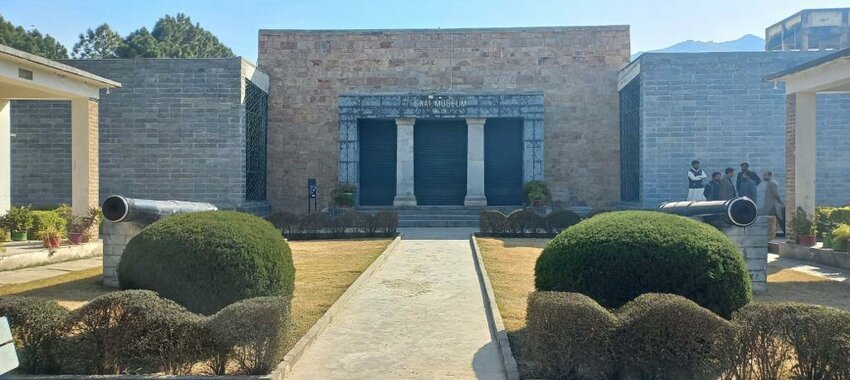
My favorite museum was Swat Museum which is located between Mingora and Saidu Sharif. This museum is a treasure house that houses artifacts, sculptures and Buddhist relics of Gandhara Civilization.
I was roaming inside and every artifact told a story – statues of Buddha, ancient coins, and old pottery. I felt like I had time traveled back 2000 years.
If you search “Swat Museum” for SEO, this is the top attraction that comes up, and honestly, missing this place would be a big mistake if you are traveling to Swat.
Saidu Sharif Stupa – A Religious Landmark
My next stop was Saidu Sharif Stupa, which is an important landmark of Buddhism. This is an old religious site where people used to meditate and perform rituals.
The area around the Stupa is very peaceful, and I was sitting there and thinking how people here used to give so much importance to their life and spirituality centuries ago. This is not just history, but also a lesson about how nature and spirituality are connected.
White Palace (Marghazar) – Royal Heritage of Swat
Next day I went to White Palace (Marghazar) which is a very unique historical attraction. This palace was the summer residence of Wali of Swat, and its architecture is a mixture of European and local styles.
The White Palace is named so because it is made of pure white marble which was specially brought from Jaipur (India). When I was walking in its gardens, I could imagine that there was a time when rulers of Swat used to hold their meetings and royal gatherings here.
Another interesting fact – Queen Elizabeth II visited this White Palace in 1961 and she liked this place very much. This is another proof that Swat Valley is a significant heritage site not only for Pakistan but also internationally.
Pashtun Yousafzai Culture and Heritage
The identity of the people of Swat is linked to their Pashtun Yousafzai culture. When I was roaming in the local markets (Mingora and Saidu Sharif), I heard Pashto language everywhere. Local people were in their traditional kapron – shalwar kameez and pakol topi – and their hospitality is literally amazing.
The main feature of Pashtun culture is hospitality. I thought this was just a saying, but when I went to drink tea in the guest house of a local family, I felt that this is true. They treated me like a member of their family.
Local Crafts and Souvenirs
To understand the cultural heritage of Swat, you must see their souvenirs and crafts. I went to Mingora Bazaar and found some very beautiful handicrafts:
- Gemstones – The gemstones of Swat Valley are world famous. Emerald and aquamarine are special stones here.
- Embroidered textiles – The handmade embroidery of local women is very detailed and colorful.
- Woodwork – Traditional carved wooden furniture and decoration pieces.
- Trout fish – This is not just food, but also a cultural symbol of Swat.
I felt that these crafts are not just souvenirs, but a story that represents the local culture and heritage.
Hospitality and Local Lifestyle
I also visited small villages of Swat, where people live a simple life. Agriculture and handicrafts are their main income. People are very friendly and helpful.
I liked one thing very much – their pride in their culture. Be it language, dress or hospitality – they value their roots a lot.
Swat – A Cultural Bridge Between Past and Present
Seeing the history and culture of Swat Valley, I felt that this place is a bridge which connects the past and the present. On one side it is a reminder of Gandhara Civilization and Buddhist heritage, and on the other side it is a combination of Pashtun Yousafzai traditions and modern Swat.
Swat Valley’s historical sites, museums and cultural practices make it not just a travel destination but a living museum.
Key Insights for Tourists
- Swat Valley cultural heritage: A must-explore aspect for history lovers.
- Swat Museum, Saidu Sharif Stupa, White Palace Marghazar: Top historical attractions.
- Pashtun Yousafzai culture: Defines the hospitality and lifestyle of Swat.
- Local crafts: Gemstones, textiles, woodwork – perfect souvenirs for tourists.
Closing
This part of my Swat Valley journey was very inspiring for me. Natural beauty is found everywhere but the history and culture of a place give it a distinct identity. Swat Valley’s cultural heritage is not just an asset of Pakistan but a treasure of the world.
If you plan a trip here, do not limit yourself to just Kalam and Malam Jabba. Make sure to take out some time and visit Swat Museum, Saidu Sharif Stupa and White Palace. These places will tell you the real story of Swat.
Nature and Adventure in Upper Swat
The real magic of Swat Valley is found in Upper Swat. When I left Mingora and Saidu Sharif and headed towards Kalam Valley, a new journey began. There is new scenery and adventure activities at every turn in the route.
Kalam Valley – Heart of Upper Swat
Know, Kalam Valley is literally a dream destination. This valley is located above the Swat River and is surrounded by snow-capped mountains on all sides. When I reached Kalam, there was Ushu Forest on one side, route to Mahodand Lake on the other side and glaciers below.
I had planned camping in Kalam and when I set up my tent at night, there was starry sky above and the sound of gushing river below. This moment felt like one of the most peaceful moments of my life.
SEO point: If someone searches for “trekking and camping in Upper Swat (Kalam, Ushu Valley, Gabin Jabba, Malam Jabba)”, then Kalam is the top answer.
Ushu Valley – Land of Dense Forests
If you drive a little further from Kalam, you will find Ushu Valley. This valley is famous for its dense forests and chilled streams. When I reached there, I felt like I was inside a painting – green pine trees on one side, white glaciers on the other.
The locals told me that it snows heavily here in winters and the roads get blocked, but in summers this place is an adventure paradise.
Malam Jabba – Pakistan’s Ski Resort
If you like skiing and snow sports, then Malam Jabba is a must-visit. It is the biggest ski resort in Pakistan and has chairlifts, ski slopes and international level facilities.
I took a chairlift ride here and viewing the whole valley from above was a breathtaking experience. Malam Jabba is often crowned as the “Switzerland of the East” as its snowy beauty is no less than European resorts.
Gabin Jabba – Hidden Gem
Gabin Jabba is a relatively hidden destination that has recently come on the tourism map. It has natural meadows, trekking trails and camping sites. I really liked its chilled climate and natural springs.
This place is best for those tourists who want to avoid the crowds and have a peaceful adventure.
Mahodand Lake – Jewel of Kalam Valley
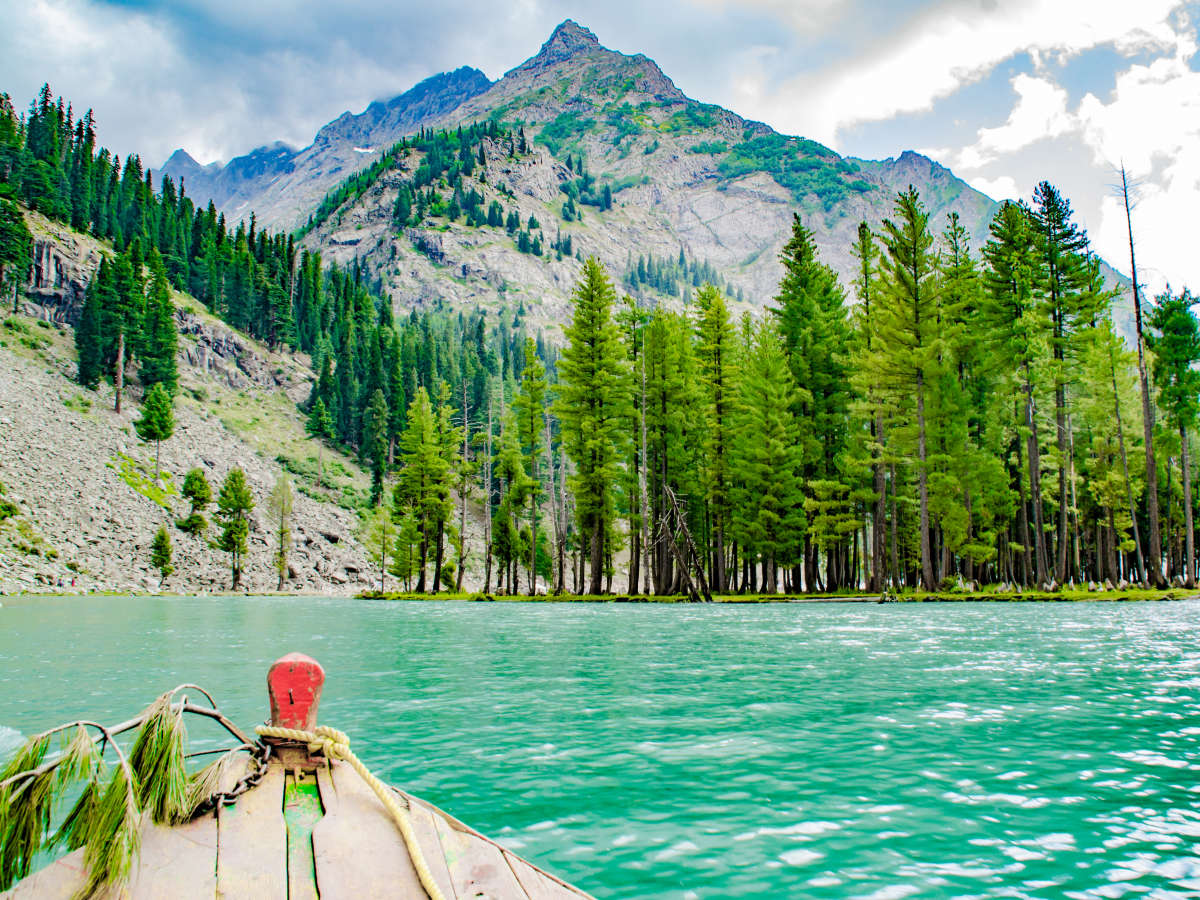
The most iconic attraction of Upper Swat is Mahodand Lake. It is a glacier-fed lake which is 40 km away from Kalam. I reached there by taking a jeep ride, and honestly, this trip was life changing.
I got a chance to do fishing and boating on the banks of the lake. Trout fish is a local specialty here. Imagine – clear turquoise water on one side, snow-covered mountains on the other, and you are in a small boat in the middle of the lake.
Top Attractions and Hill Stations
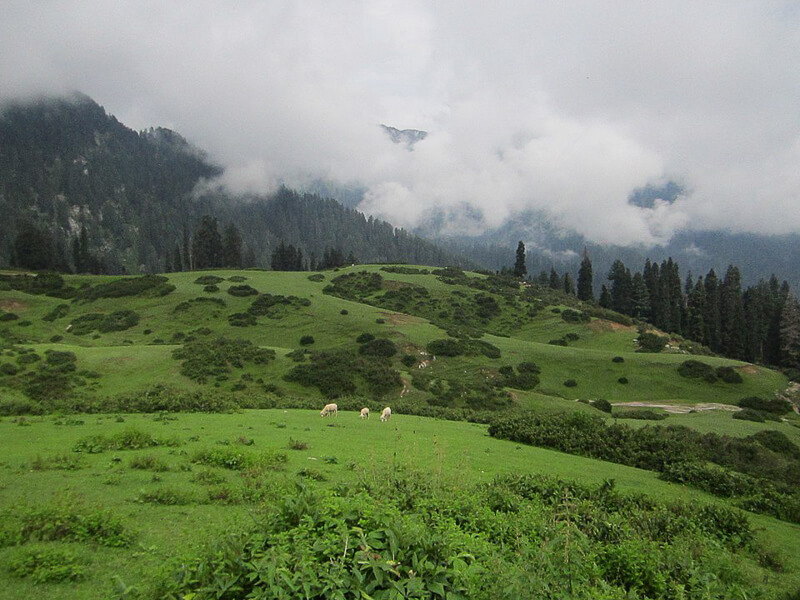
Swat Valley is not limited to Upper Swat only. Every corner of the valley has a unique hill station or attraction that tells its own story.
Madyan – Trout Fish Paradise
Madyan is a small hill station which is famous for its trout fish. I tried freshly cooked trout in a local restaurant, and believe me, its taste was unmatched. This is a special delicacy of Swat.
Bahrain – Where Two Rivers Meet
Bahrain is a unique tourist spot where Swat River and Daral River meet. This place gets its name from this fusion.
I stayed the night in Bahrain, and the sound of flowing water from the riverside hotels acted as a natural lullaby.
Miandam – Green Meadows
Miandam is a peaceful hill station which is famous for its lush green meadows and orchards. The climate here is very chilled, and the natural springs make it even more refreshing.
Mingora Bazaar – Blend of Old and New
Mingora is the main commercial hub of Swat. The city has modern shops and hotels on one side and traditional bazaars where you can find gemstones, embroidered textiles and woodwork.
I bought an emerald stone from the Mingora Bazaar, a world-famous souvenir of the Swat Valley.
Festivals, Food & My Final Thoughts
Kalam Summer Festival
The biggest event of Swat Valley is Kalam Summer Festival. I was lucky that my trip fell during this festival. There are cultural shows, local music, traditional dances and sports competitions.
The main highlight of the festival was local Pashto music and folk dance which represents the rich culture of Swat.
Swat’s Traditional Food

Swat’s food culture is also very interesting. I really liked these dishes here:
- Chapli Kebab – spicy and crispy
- Trout Fish – freshly grilled
- Kabuli Pulao – a touch of Afghani influence
- Green Tea (Kehwa) – a must after every meal
The level of local hospitality is so high that wherever you go, you will definitely get kehwa and meetha.
Recovery After Militancy
There was a time when Swat Valley was closed for tourists due to militancy. But now the situation has completely changed. Security has improved, roads and infrastructure are being developed, and now tourists are coming back.
The revival of Swat Valley is a success story – where a region brought back its beauty and culture to the world.
Why Swat is Switzerland of the East
I personally think that calling Swat “Switzerland of Pakistan” is apt for Swat because its natural beauty, chilled climate, rivers, glaciers, and ski resorts compete with any European destination.
My Final Thoughts
My journey to Swat Valley was a life-changing experience. I saw mountains, walked along rivers, explored historical sites, attended cultural festivals, and most importantly – I was won over by the hospitality of people.
If you are from UK, USA, Australia or Russia and planning a trip to Pakistan, Swat Valley should be on top of your bucket list. This place is not just a destination but a complete travel experience where nature, history, adventure and culture all come together.
FAQ Section
- What is the best time to visit Swat Valley in 2025?
- Why is Swat called the Switzerland of Pakistan?
- Is Swat Valley safe for foreign tourists?
- How to reach Swat Valley from Islamabad or Lahore?
- Which are the best places to stay in Swat Valley?