Why Was I Deported from Georgia? Real Experience with Proof (2025)
Introduction
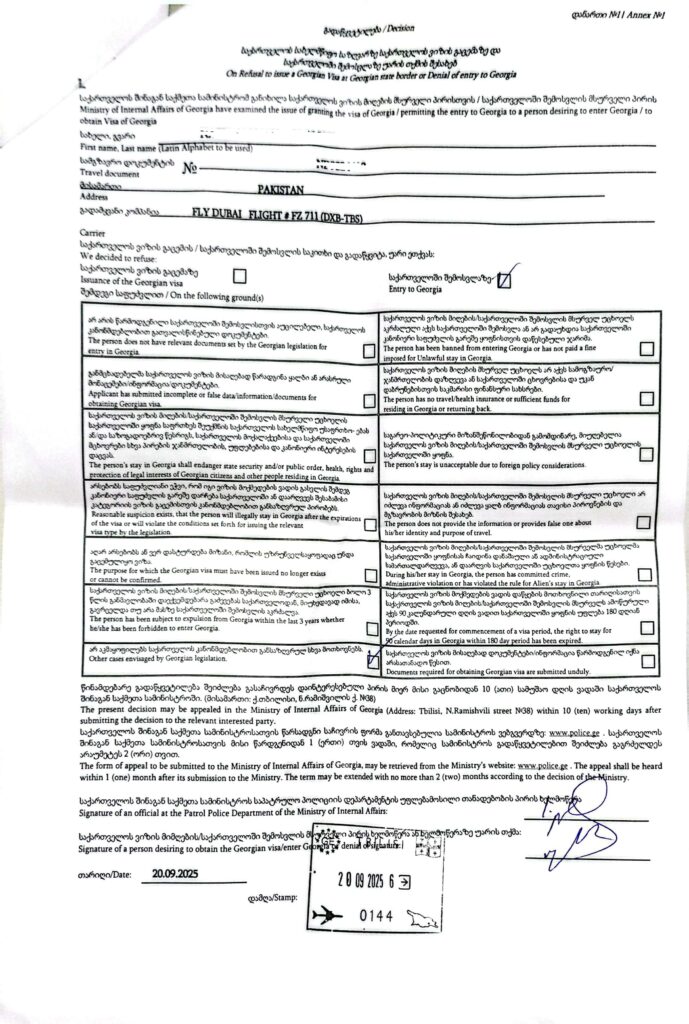
Traveling and seeing a new country is a dream for many people. Going on a study visa and attending university are life-changing endeavors. But sometimes that dream can become a difficult experience when immigration entry is denied and you are deported. If you’re wondering, “Why was I deported from Georgia?” then this article is for you. I’ll explain step-by-step why deportations generally occur, what role your passport stamps and university documents play, and if you’d like, you can share your passport stamps, university documents, and Georgia refusal letter so I can guide you based on them. For now, I’ll provide general and practical guidance that will help every applicant.
Basic Setup of Immigration in Georgia
Georgia is a country that attracts both tourism and international students. Immigration officers at airports check every traveler’s documents and intentions and deny entry to those deemed inadmissible or a risk. This rule applies to every country. These checks can also be strict in Georgia, especially if there is a mismatch between the applicant’s documents or profile.
Important: The Immigration Officer’s decision is discretionary. This does not mean that the documents are fake, but rather that the officer sometimes deems the traveler’s profile a risk. This risk is based on a variety of factors: financial proof, accommodation, travel history, visa type, interview answers, and more.
Most Common Reasons
- Document Mismatch or Incomplete Documents
- Admission letter is presented but details are unclear (dates, program name, university seal)
- Accommodation confirmation is fake or unclear
- Return ticket is missing
- Financial Proof is Weak
- Bank statement shows inadequate balance or sudden large deposits without sponsor proof
- Sponsor letter is vague or sponsor credibility is weak
- Purpose Mismatch (Visa vs. Reality)
- You have a student visa, but you are being interviewed and are traveling as a tourist or worker
- Not showing proof of admission fee or enrollment
- Low Profile or Credibility Concerns
- The immigration officer believes you have settlement intentions
- Your age, prior education level, travel history, and financials may appear suspicious and could result in a low profile tag
- Previous Immigration Record
- If you have been deported from another country before, the new immigration officer will conduct a more strict check.
- Refuse records are also visible in airlines and border control systems.
- Fake or Suspicious Papers
- Cheap accommodation letters, unverifiable university documents, and fake agency paperwork are easily detected.
- Interview Behavior / Nervousness
- It is important to give confident and clear answers in the immigration interview. If you give confused or inconsistent answers, the officer will be suspicious.
The Importance of Attaching Proof of Your Case
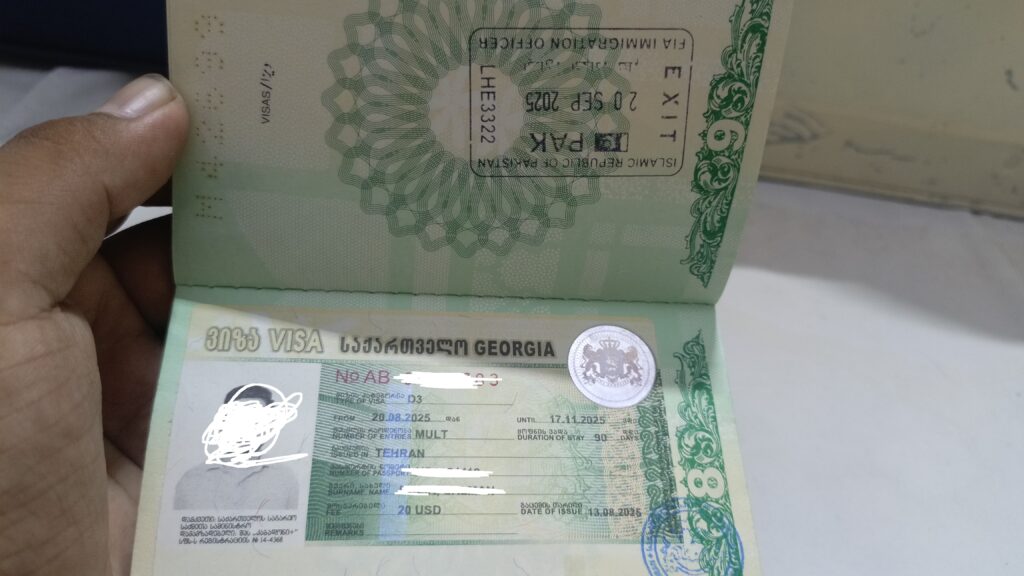
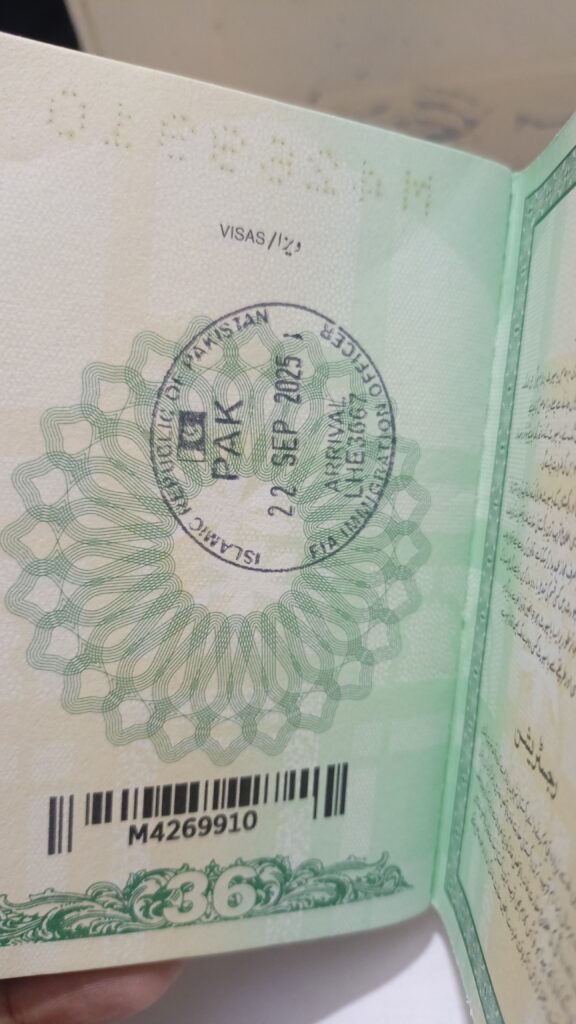
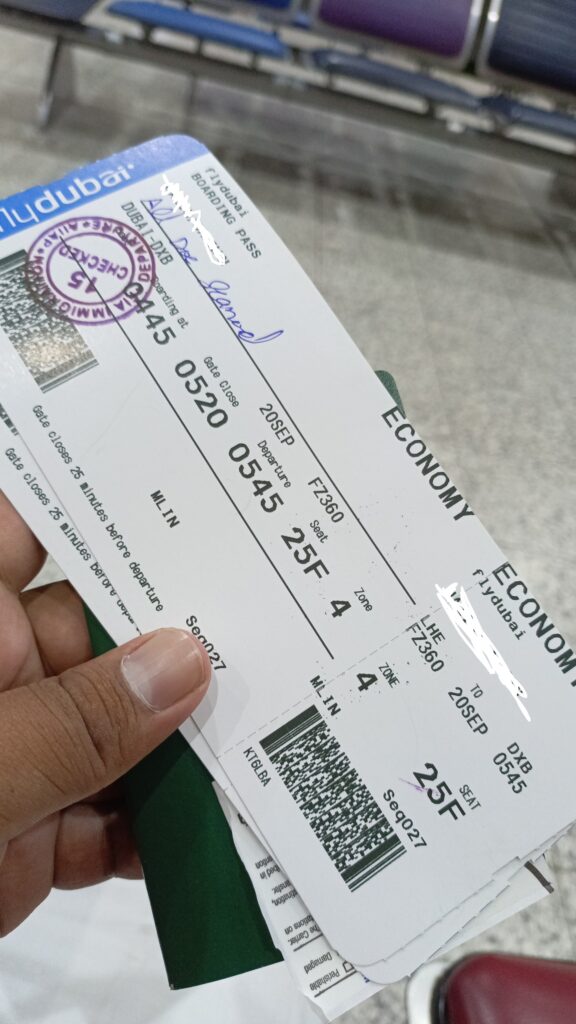
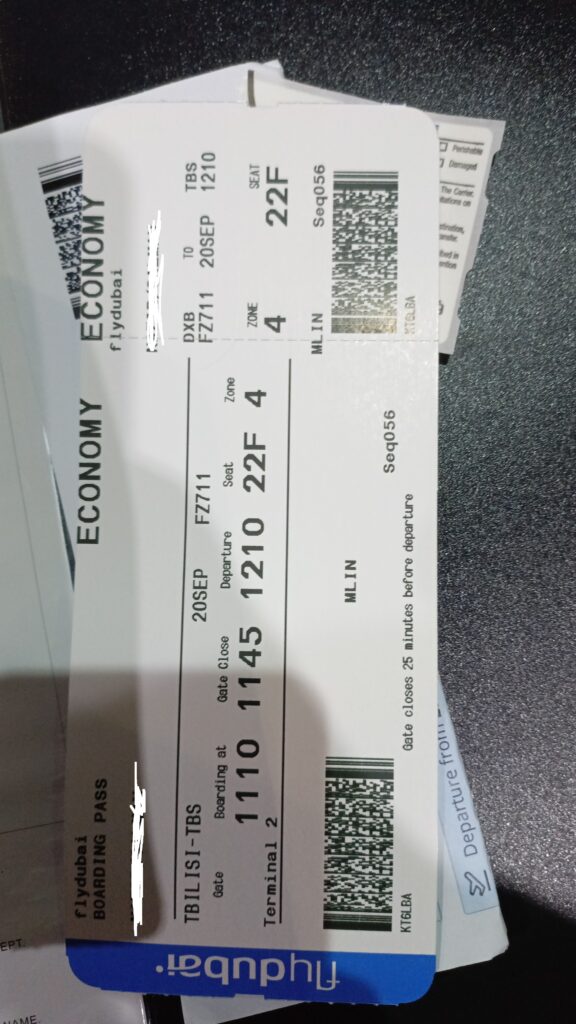
- If you want me to personally inspect your file, you can provide me with your passport stamps, photo, university admission letter, and Georgia’s refusal letter. I can look for a few specific things in these documents:
- Passport stamps: Are the exit/entry stamps properly affixed? Is any refusal stamp visible?
- Admission letter: Is the letter in a valid format (university header, authorized sign, student ID, program start date)?
- Refusal letter: What reason did Georgia Immigration give for the refusal? (Low profile, insufficient funds, no accommodation, etc.)
These proofs are very helpful in embassy, airline, and future visa applications.
Practical Examples Officer Decision Points
- Entry Visa Validity – Is the visa actual and valid?
- Admission & Fee Receipt – University admission letter and fee receipt
- Accommodation – Hostel booking or hotel confirmation
- Bank Statement – 3–6 months statement with balance
- Return Ticket – Proof of return intention
- Interview Answers – Simple, clear and consistent answers
Georgia’s “Low Profile” Term
Low profile, in immigration parlance, means credibility concerns. This means the applicant’s case appears weak or settlement risk is present. Examples:
- Student admission is granted but bank balance is low
- University letter appears weak
- Applicant provides inconsistent answers
- Age and sponsorship mismatch
Solution: Appealing is possible, and a stronger supporting letter from the university, bank statements, and accommodation proof are helpful.
Appeal Process
- Keep a scan of the rejection letter.
- Contact the nearest Georgia embassy (e.g., Tehran).
- Get a confirmation letter from the university.
- Add additional proof (bank statement, sponsor affidavit, accommodation invoice, travel insurance).
- Draft and submit a formal appeal.
- Be patient, as appeals take time.
If there’s no deport stamp on your passport.
If there’s no deport or refusal stamp on your passport, it means no record was created. The immigration system is electronic. However, proof of the refusal letter is required.
Checklist: Before the Next Visa
- Official university confirmation letter
- Accommodation paid invoice or rental agreement
- Strong bank statement for 6 months
- Improving travel history (short visits to UAE, Turkey, Malaysia)
- SOP + gap explanation (AIOU, etc.)
- Attach refusal letter with explanation
- Carefully check embassy-required documents
Airport Interview Tips
- Be calm and confident
- Give short and truthful answers
- Submit documents only when asked
- If you’ve been deported before, explain honestly
Conclusion
Deportation is stressful, but it doesn’t mean the end of life. Keep proof such as passport stamps, university documents, and refusal letter safe and travel with a stronger case next time.
If you wish, send me your documents so that I can provide personalized guidance and draft an appeal letter.