Pakistan Tourism 2025 – My Journey to the Northern Paradise
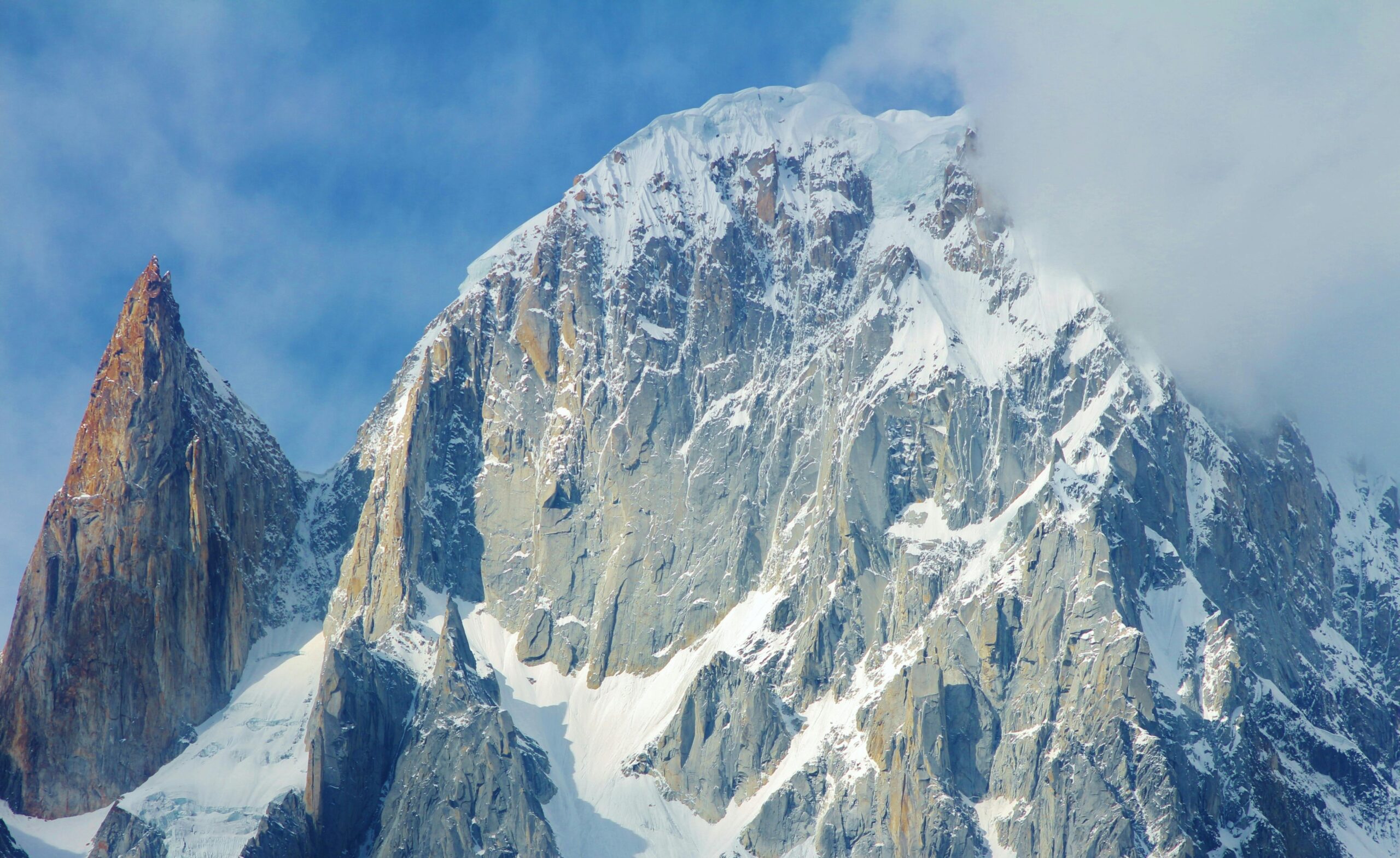
When I was planning my Pakistan trip in 2025, honestly, I had a little doubt in my mind. International news often shows negative things, but when I did research, I realized that Pakistan’s image is changing rapidly. Today, Pakistan, especially Gilgit-Baltistan and northern areas, are counted among the top emerging tourist destinations in the world.
Tourists from UK, USA, Europe, Australia and even Russia are coming here in 2025 because this region offers a combo of mountains, glaciers, lakes and centuries-old culture which is difficult to find anywhere else. I myself am an adventure and cultural travel lover, and I felt that if you want to see real untouched beauty then you must go to Pakistan.
My first impression was very positive – people friendly, hospitality world-class, and safety was of the level that a foreign tourist expects. Pakistan government has now improved visa on arrival and e-visa systems to promote tourism, and the road infrastructure (specially Karakoram Highway) is now considered one of the world’s top scenic road trips.
When planning your trip, do check the best time to visit Pakistan, as the weather in different regions greatly affects the travel experience. The northern areas are perfect for skiing in winter, while spring and autumn are best for cultural festivals and sightseeing.
Geography & First Look at Gilgit-Baltistan
When I took a flight from Islamabad to Skardu, I was literally shocked to see the glaciers and snow peaks of the Himalayas and Karakoram ranges from the window seat for the first time. This was the moment when I felt as if I had come to a unique corner of the world.
The geography of Gilgit-Baltistan is of a different level:
- This region is connected to the borders of China, Afghanistan and India.
- The highest peaks of the world are here including K2 (8,611m), Nanga Parbat, Gasherbrum peaks.
- This area is basically a mixture of mountain plateau + valleys + glaciers.
I also tried a road trip via Karakoram Highway (KKH) which is basically a modern version of the old Silk Road. Believe me, KKH road trip is a lifetime experience – on one side Indus river flows and on the other side lie 7000+ meter high mountains. Every few kilometres there are glaciers, waterfalls and rock carvings which were created by centuries old Silk Route travellers.
Flights are also available (Islamabad to Gilgit and Skardu) but sometimes there are delays due to weather. Hence I recommend tourists that if you are flexible in timing then do a road trip as it is one of the world’s most scenic highways.
For accessibility:
- Plane: fast but weather dependent
- Bus/Jeep: safe, adventure-filled and cultural experience
- Karakoram Highway: a complete Pakistan Silk Road tour experience
Hunza Valley Travel Experience
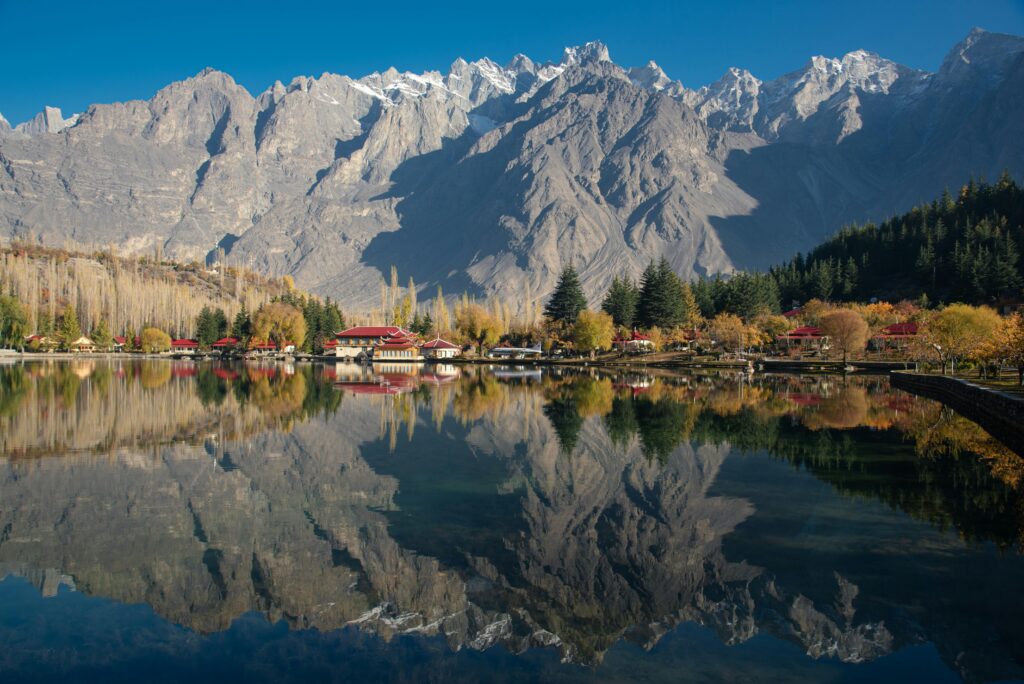
If you come to Gilgit-Baltistan and skip Hunza Valley, then understand that you have missed the heart of Pakistan. Mera Hunza ka safar was literally a dream come true.
The center of Hunza Valley is Karimabad from where you can explore the whole region. I first went to Baltit Fort and Altit Fort – both are 700+ years old forts which tell you the history of Silk Road from one side and give stunning views from the other side. When you look at Ultar Peak and Rakaposhi from the fort’s terraces, it feels like you have stopped in time.
My favorite place was Attabad Lake, which was formed in 2010 after a landslide. Today it is a turquoise blue lake where boating and jet skiing take place. It has often become an Instagram hot spot for foreign tourists.
I also loved the experience of local homestays in Hunza. People are extremely hospitable – they make you their guest by serving simple chapshuro (local bread filled with meat), butter tea and dry fruits.
I watched the sunset from the Eagle’s Nest viewpoint and that moment seems to be one of the top 5 sunsets of my life. The transformation of the pure valley into golden-orange color was literally surreal.
Hunza Valley is perfect for foreign tourists because:
- Safe and tourist-friendly environment
- Mixture of luxury hotels + budget hostels + homestays
- Best adventure spots for hiking & trekking
- Rich culture and warm people
I like to call Hunza the “Switzerland of Asia”, but honestly even Switzerland pales in comparison to this natural raw beauty.
If you like culture and history then the Badshahi Mosque Lahore and the Walled City of Lahore will tell you the story of the Mughal era.
Skardu – Paradise for Mountain Lovers
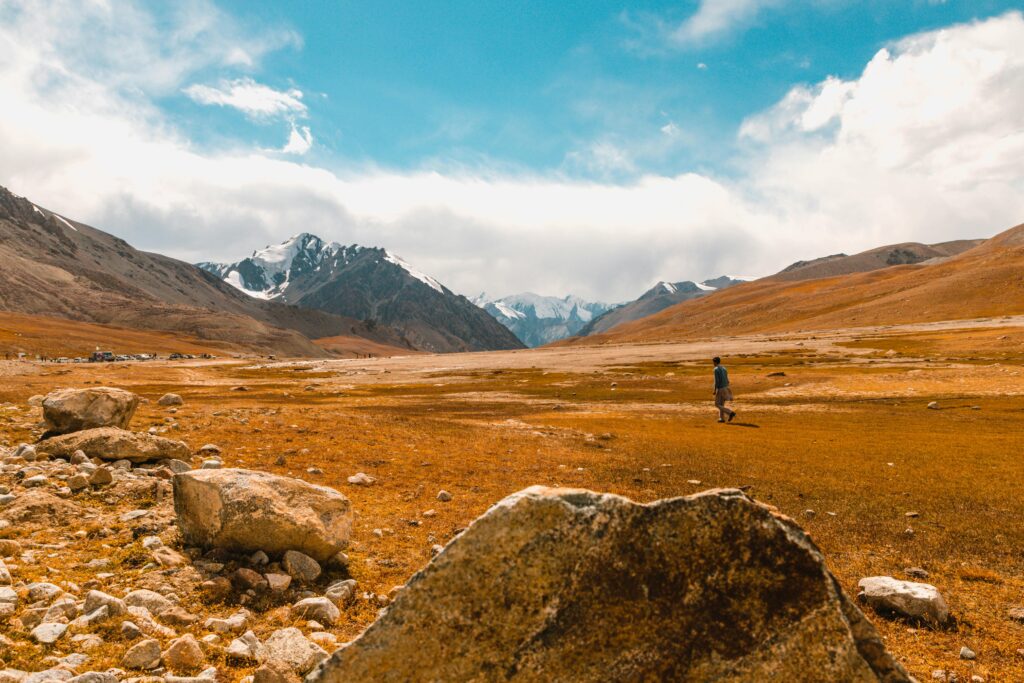
When I was travelling from Hunza to Skardu, I honestly did not think that anything could be more beautiful than Hunza. But as soon as I reached Skardu, my impression doubled. I literally call Skardu a paradise for mountain lovers, because this region is for those who want to explore real wilderness, mountains and glaciers.
Skardu is a base town from where the most famous expeditions of the world start – specially K2 Base Camp Trek and Baltoro Glacier Trek. This region has become a hub for the entire adventure travellers.
I first visited Shangrila Resort (Lower Kachura Lake). It is also called “Heaven on Earth” and to be honest, this resort built on an island amidst the crystal clear water of the lake looks just like a postcard. Then I went to Upper Kachura Lake where the water was turquoise blue and ice-cold.
You also find historical forts near Skardu like Shigar Fort and Khaplu Fort which have now been converted into heritage hotels. These forts are a living proof of the culture of the Silk Road era. I liked Khaplu Fort the most as it is the place where you get the real taste of local Balti culture, food and architecture.
And yes, if you are a photography lover then do not skip Deosai National Park. I went on a jeep safari and seeing endless plateaus, wildflowers and brown bears there was a different kind of adventure. Deosai is at a very high altitude (4,000m+), so summer months are the best time.
Skardu travel tips for foreigners:
- Flights available from Islamabad (Scenic but weather dependent)
- Jeep safaris & local guides recommended for Deosai, K2 Base Camp etc.
- Safe region with luxury + budget hotels
- Best season: May to September
Fairy Meadows & Nanga Parbat Base Camp
Another place which is the most magical spot in Pakistan is Fairy Meadows. The name of this place itself ignites imagination – and believe me, the reality is even more beautiful than that.
I took a jeep ride from Raikot Bridge which goes on a narrow dirt track. Honestly, it seems to be one of the world’s most dangerous jeep roads, but the thrill is in it. After that there is a trek of 2-3 hours which is a bit tough but when you reach Fairy Meadows, you feel like you have gone to heaven.
Green meadows, wooden huts, and a full view of Nanga Parbat (8126m) in front — this was a moment I can never forget. Nanga Parbat is also called the “Killer Mountain” as there have been many fatalities in mountaineering history, but seeing it from a safe distance is a lifetime sight.
I stayed there for camping, bonfire at night and billions of stars above. The sky was so clear that the Milky Way was easily visible. Fairy Meadows is a must-visit if you like nature and solitude.
Pro tip for foreign tourists:
- Fairy Meadows hike is easy to moderate, but requires a little stamina.
- Local guides & porters available.
- Best months: June – September.
- Camping & wooden huts both options available.
And if you want more adventure you can trek to Nanga Parbat Base Camp. This is a tough trek (whole day hiking), but it takes you to glaciers and mountain foothills where you get real expedition vibes
Adventure Treks & Expeditions
Gilgit-Baltistan is not just a sightseeing region — it is basically a global trekking & expedition paradise. I personally did a few short treks, but I met international mountaineers and trekkers who came for 20–25 day expeditions.
Most famous treks and expeditions:
- K2 Base Camp Trek – World’s most iconic trek (15–20 days)
- Baltoro Glacier Trek – An endless glacier trail surrounded by 8000m peaks
- Rush Lake Trek – A high-altitude lake trek near Hunza that is popular among foreign trekkers
- Snow Lake & Biafo Glacier – World’s longest glacial system outside the polar region
- Deosai Plains Jeep Safari + Short Treks
In 2025, Pakistan trekking packages are attracting people from UK, USA, Europe and Russia. Especially road trips and mountaineering expeditions from Russia are increasing, as Moscow to Islamabad / Skardu flights have become convenient.
I personally liked it the most because Pakistan treks now offer “mixed travel”: on one side adventure and tough mountains, and on the other side local hospitality and culture. When you cross remote villages, locals invite you for tea and bread, and this human connection is the real essence of travel.
Tips for foreign tourists:
- Always go with licensed guides (specially for long treks)
- Weather is unpredictable, keep gear ready
- Make sure to arrange insurance and permits (esp. for K2 region)
- Best trekking season: June to September
Lakes of Gilgit-Baltistan
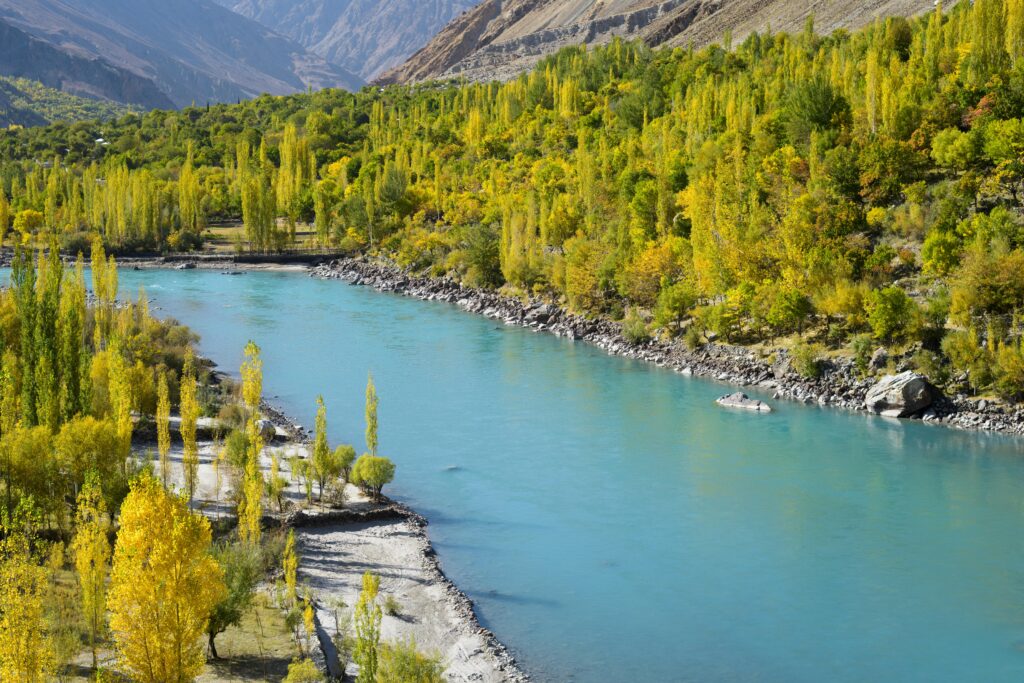
If Gilgit-Baltistan is world-famous for one thing, it is its magical lakes. This region is a natural wonderland where you find a new lake at every turn.
First of all, I went to Attabad Lake near Hunza which was formed after the landslide of 2010. The turquoise blue water and the reflection of the snow-capped peaks in front was so mesmerizing that I felt I was in Switzerland. Now one can also enjoy boating, jet skiing and fishing here.
Then I went to Upper and Lower Kachura Lakes of Skardu. Lower Kachura (Shangrila Resort Lake) gives off luxury vibes while Upper Kachura feels more natural and raw.
One of the hidden gems of Gilgit-Baltistan is Sheosar Lake (Deosai National Park) which is on a high-altitude plateau. Its silence and wilderness is literally a soul-healing experience.
And yes, another must-visit lake is Satpara Lake near Skardu which provides drinking water to the town. Crystal clear blue water and boating opportunities are the highlight of the place.
Best tip for foreign tourists:
- Lakes are best visited during May–September.
- Water sports are available at Attabad and Kachura lakes.
- Drone photography is allowed but a permit may be a mustz
Cultural & Historical Heritage
Gilgit-Baltistan is not just a paradise for nature lovers but also a treasure trove of cultural and historical heritage. This region was part of the old Silk Road through which traders used to travel between China, Central Asia and South Asia.
I first visited Baltit Fort (Hunza) which is 700 years old. The architecture of this fort is a mix of Tibetan and Central Asian influences. Then I went to Altit Fort, which is the oldest in Hunza and is a part of UNESCO heritage projects.
Shigar Fort and Khaplu Fort in Skardu both gave me a real taste of medieval Balti culture. These forts have now become boutique hotels where staying is a royal experience.
And if you like rock art, do visit Kargah Buddha (Gilgit) – it is a 7th century Buddhist carving that shows the multi-religious history of this region.
Naturally occurring keywords for SEO here: Baltit Fort Hunza, Altit Fort Hunza, Khaplu Fort Skardu, Shigar Fort Skardu, Silk Road heritage, Kargah Buddha rock carving.
Local Lifestyle, Food & Homestays
My favorite thing about my Gilgit-Baltistan trip was that the locals are very hospitable and friendly. I stayed at a homestay in Hunza where I was served local Hunza bread, butter and apricot jam. Believe me, I still remember its taste.
Balti food has its own unique flavor. There are traditional dishes like:
- Mamtu (dumplings)
- Balay (noodle soup)
- Apricot oil dishes
- Chapshuro (Balti meat pie)
The biggest advantage of keeping foreign tourists in homestays is that they get to experience the real local life — farming, cooking, and storytelling nights.
Another interesting thing about the locals in Hunza is their long life expectancy, which is due to their healthy diet and active lifestyle. This also becomes a positive story for tourism.
Practical Travel Guide for Foreign Tourists (2025 Edition)
If you are coming to Pakistan from UK, USA, Europe, Australia or Russia, then a trip to Gilgit-Baltistan can be life-changing. Here I have compiled some practical travel tips which will be helpful for foreign readers:
✅ Visa & Permits:
- Pakistan tourist visa is now applied online (E-visa system).
- Special permits required for restricted border zones (like K2 Base Camp, Khunjerab).
✅ Best Time to Visit:
- May – September for trekking & lakes
- October – November for autumn colors in Hunza & Gilgit
- December – February for snow tourism (limited access but beautiful)
✅ How to Reach:
- Direct flights Islamabad → Skardu / Gilgit (weather dependent)
- By road via Karakoram Highway (KKH) from Islamabad – one of the world’s most scenic drives
✅ Accommodation:
- Range from budget guesthouses to luxury resorts (Serena Hotels, Shangrila Resort, Khaplu Fort Hotel).
- Homestays best for cultural immersion.
✅ Safety & Connectivity:
- Gilgit-Baltistan is tourist-friendly and safe.
- Internet available (4G in towns, satellite internet in remote areas).
✅ Popular for:
- Adventure tourism (trekking, climbing, jeep safaris)
- Eco-tourism & cultural tourism
- Photography & nature exploration
Frequently Asked Questions (FAQs) about Gilgit-Baltistan Travel
Q1: What is the best time to visit Gilgit-Baltistan?
👉 The best time to visit Gilgit-Baltistan is May to September for trekking, lakes, and greenery. For autumn colors, visit in October–November, while winter snow tourism is possible from December–February.
Q2: Is Gilgit-Baltistan safe for foreign tourists?
👉 Yes, Gilgit-Baltistan is considered one of the safest regions in Pakistan for tourists. Locals are hospitable, and the government has improved tourism facilities. Always check weather and road updates before traveling.
Q3: How do I reach Hunza and Skardu?
👉 You can reach via:
- By Air: Flights from Islamabad to Gilgit or Skardu (weather-dependent).
- By Road: The Karakoram Highway (KKH) connects Islamabad to Gilgit-Baltistan, offering one of the world’s most scenic drives.
Q4: Do I need a visa or special permits to travel to Gilgit-Baltistan?
👉 Yes, a Pakistan Tourist E-Visa is required. Some border regions like Khunjerab Pass, K2 Base Camp, and certain trekking routes may require special permits.
Q5: What are the must-visit places in Gilgit-Baltistan?
👉 Top attractions include:
- Hunza Valley (Baltit & Altit Forts, Attabad Lake)
- Skardu (Shangrila Resort, Upper & Lower Kachura Lakes, Khaplu & Shigar Forts)
- Fairy Meadows & Nanga Parbat Base Camp
- Deosai National Park & Sheosar Lake
Q6: What local food should I try in Gilgit-Baltistan?
👉 Popular dishes include:
- Mamtu (dumplings)
- Chapshuro (Balti meat pie)
- Balay (noodle soup)
- Apricot-based dishes and Hunza bread
Q7: Is internet and mobile network available in Gilgit-Baltistan?
👉 Yes, 4G internet is available in major towns like Hunza and Skardu. In remote valleys, network coverage is limited, but some areas now have satellite internet facilities.
Q8: Can foreigners do trekking and adventure sports in Gilgit-Baltistan?
👉 Absolutely! Gilgit-Baltistan is known for trekking, camping, jeep safaris, rock climbing, and mountaineering expeditions. Popular treks include Fairy Meadows, Rakaposhi Base Camp, and K2 Base Camp (with permits).
Q9: What should I pack for my Gilgit-Baltistan trip?
👉 Essentials include:
- Warm clothes (even in summer nights it gets cold)
- Trekking shoes & backpack
- Sunscreen & sunglasses
- Power bank & extra batteries (electricity can be limited in villages)
Q10: Why is Gilgit-Baltistan called the “Switzerland of the East”?
👉 Because of its snow-covered peaks, lush green valleys, turquoise lakes, and breathtaking landscapes, many tourists compare Gilgit-Baltistan to Switzerland.